Thrare  ›  Multifamily turns and preservation

Turns and preservation, seen from the balance sheet.

An owner is buying something different from what the on site team is buying. Vacancy costs money every day it lasts, a vacant building loses value faster than an occupied one, and both are schedule problems before they are trade problems.

Multifamily exterior cleaning services cover the building envelope, breezeways, stairwells, walkways, decks and amenity areas of an apartment community, run on a recurring cycle rather than ordered when something looks bad. Thrare Contracting runs exterior cleaning, turns and preservation programs for multifamily owners and asset managers across metro Atlanta, priced against vacancy days and portfolio standards rather than per work order. If you manage the community day to day rather than own it, property managers is the page written for you.

If you run the property day to day, the other page is the one you want. Property managers covers vendor consolidation, unit turns and the operational detail of make ready. This page is written for owners, funds and asset managers, who are buying portfolio standards, vacancy days and reporting they can roll up. Same firm, same crews, different question.

The work

From secure-and-hold to rent ready.

Two different jobs sit under the same heading. One protects an asset that is sitting empty. The other returns units to income. We run both, and often in sequence on the same property.

Emergency securing

Board-up to specification, lock changes and re-keying when a property has to be closed down quickly.

54 doors and windows secured in 72 hours

Property preservation

Winterization, tagged shutoffs, drained lines, cleanouts and ongoing grounds control on vacant assets.

20+ unit complex preserved to HUD specification

Unit turns

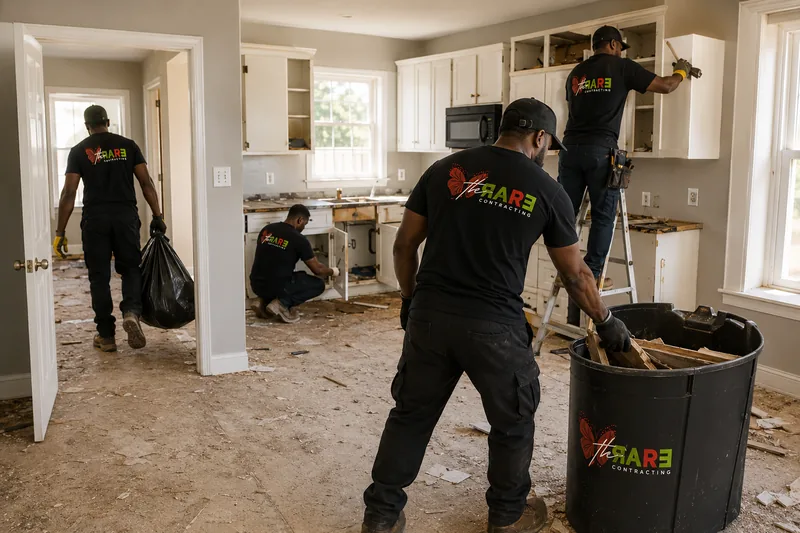
Cleanouts, debris removal, exterior and common-area work sequenced so units come back in batches rather than one at a time.

Portfolio resets

The same scope run across several properties on one schedule, with one point of accountability and one closeout standard.

Why schedule is the product

A turn program is a logistics problem.

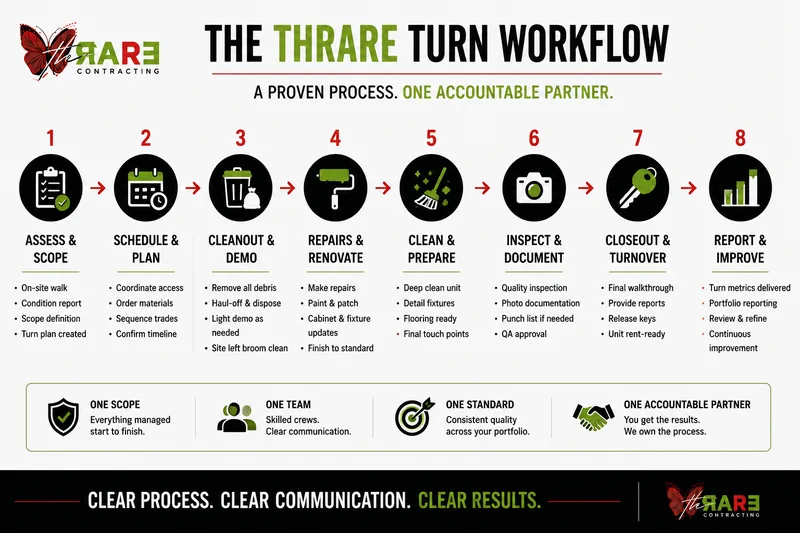
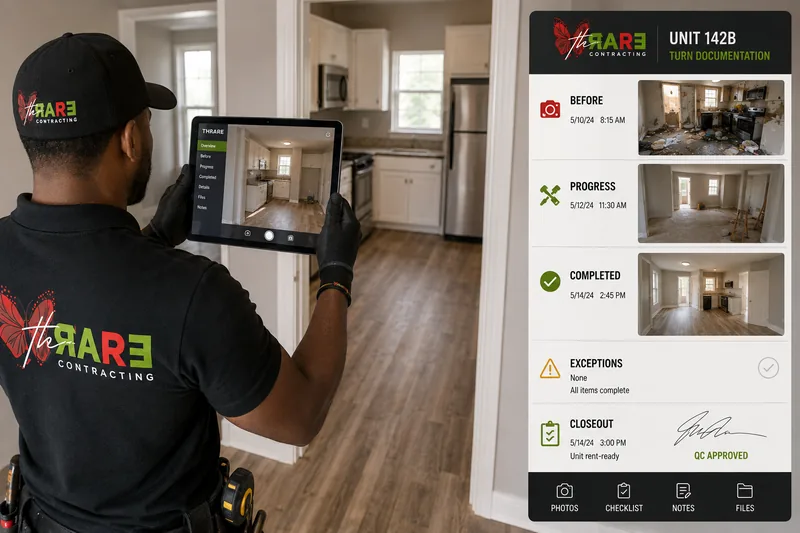
The trades on a unit turn are not difficult. Doing forty of them in the right order, with access windows, material on site and an inspection at the end, is where the money is won or lost.

When a property manager buys turns unit by unit, every unit carries its own mobilization, its own scheduling call and its own quality argument. Run as a program, the same work carries one schedule, one standard and one acceptance process.

On a vacant complex of more than 20 units we secured every access point to HUD specification and controlled the grounds while the asset sat. On a multifamily property we closed 54 doors and windows inside 72 hours. Both were coordination jobs before they were trade jobs.

The economics

Vacancy is the cost. The turn is just the invoice.

Owners and on site teams optimize different numbers, and the gap between them is where money quietly goes.

A site team is measured on what the turn cost. An owner is carrying the unit for every day it is not producing rent, which means the cheaper turn that took nine days longer was not cheaper. A unit that is rent ready four days sooner is four days of rent, on every unit, every turn, all year. On a portfolio that arithmetic dwarfs the line item difference between one vendor and another.

That is why we price a turn program against the schedule rather than against the work order. The trades in a unit turn are not complicated and nobody wins by doing them differently. What is worth buying is that they happen in the right order, that the next unit starts without a procurement conversation, and that nobody is waiting three days for a decision about paint.

The same logic runs through preservation. A vacant building deteriorates on its own schedule and does not wait for a budget cycle. Securing it promptly is not a maintenance cost, it is the cheapest capital preservation available, and it gets more expensive every month it is deferred.

Ask for the metric that matters to you rather than the one that is easy to report. If days to rent ready is what you are carrying, that is what the program should be measured on, and we will report it.

Across the portfolio

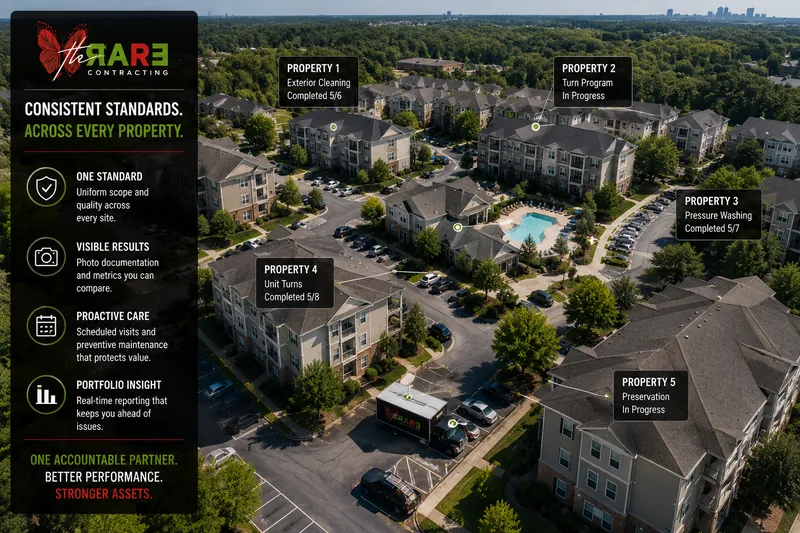
One standard, at properties you do not walk.

The hard part of owning multiple properties is not knowing what happened at the one you visited. It is the others.

Condition drifts unevenly across a portfolio, and it drifts fastest wherever attention is thinnest. The property furthest from the regional office, the one with a new manager, the one that has been performing so nobody looks at it. By the time a drift is visible in a report it has usually been true for two quarters.

So the reporting is built to be compared rather than read one property at a time. The same scope definitions, the same photograph standard and the same visit record everywhere, which is what makes two properties comparable at all. A standard set at your best property is the standard applied at the others, rather than each site negotiating its own version with a local vendor.

Same definitionsRent ready means the same thing at every property in the program. Where an owner already has a make ready standard, we work to that one rather than substituting ours.
Comparable recordsDated visit and turn records with photographs, filed the same way everywhere, so a portfolio view is an aggregation rather than a reconstruction.
Exceptions surfacedAnything found outside scope is reported when it is found. A portfolio report that is clean at every property every month is a report nobody is reading.
One escalation pathOne named manager across the portfolio, so a problem at the property nobody visits reaches you the same way as one at the flagship.

The hold period

Acquisition, hold, and the year before you sell.

The same scopes are worth different amounts depending on where the asset sits in its life, and pretending otherwise is how capital gets spent at the wrong time.

  1. At acquisitionCondition assessment and the deferred maintenance you inherited, documented before anyone argues about whether it was pre existing. The first ninety days is also when a standard is cheapest to set, because nothing has been normalized yet.
  2. Through the holdTurns and exterior cycles run as a program so condition holds without a capital event. This is the phase where consistency is worth more than any individual scope, and where most portfolios instead accumulate deferral.
  3. Before a refinance or a saleThe exterior work that changes how the asset presents, sequenced against the timeline rather than rushed into the last fortnight. Work done under time pressure costs more and shows.
  4. At disposition or handoverA documented condition record, which is worth having whether you are the party producing it or the party reading it.

Tell us which of these the asset is in at the fit review. It changes what we would recommend spending on, and sometimes it changes our advice to spend less.

Straight answers

What owners and managers ask.

Do you work occupied properties?

Yes. Occupied work is sequenced around access windows, and on parking decks and common areas we will run nights so tenants get the space back in the morning.

Can you take a portfolio rather than one property?

Yes, and the economics are better that way. One schedule, one standard and one closeout file across several properties.

Do you handle HUD-spec preservation?

Yes. A vacant complex of more than 20 units was preserved to HUD specification, and that is the standard we work to on preservation scopes.

Are you certified for agency work?

DBE and ACDBE through the Georgia UCP for GDOT and MARTA, current through 2 May 2027, and MBE. HUBZone and 8(a) are being pursued and are not held.

How is this different from what our property managers already buy?

Different question, same firm. An on site team is buying a vendor for a work order. An owner is buying a standard that holds across properties nobody visits weekly, and reporting that can be compared between them. If what you need is the operational view, property managers is the page for that.

Can you work across a portfolio our managers select vendors for?

Yes, and that is a common arrangement. The owner sets the standard and the reporting format, the on site teams keep their operational relationship, and we run to the standard rather than around it. It works badly only when nobody has said which of the two is deciding, so that gets agreed at the fit review rather than discovered later.

What do you report, and how often?

Dated records with photographs against every turn and visit, exceptions when they are found, and whichever headline metric you are actually carrying. If that is days to rent ready, we report days to rent ready. A report built around what is easy to produce rather than what you are measured on is not worth reading.

Do you take a property in poor condition, or only stabilized ones?

Both, and the poor ones are usually where a program is worth the most. A property in bad condition starts on a tighter cycle and steps down as it stabilises, rather than being priced at a portfolio average that is wrong for it in both directions.

What insurance do you carry?

Certificates of insurance are issued to your entity before mobilization rather than after, and additional insured or lender wording is handled at the certificate stage. Coverage detail is provided with the vendor packet rather than published here.

Are you certified for agency and goal credit work?

DBE and ACDBE through the Georgia Unified Certification Program, and MBE. HUBZone and 8(a) are not held and we do not represent them as held. The full position is on credentials and compliance, stated precisely rather than implied.

Who provides multifamily exterior cleaning services in Atlanta?

Thrare Contracting runs multifamily exterior cleaning across metro Atlanta, covering building washing, breezeways, stairwells, walkways, decks, amenity areas and parking structures on a recurring cycle. It is run as a program with a fixed schedule and dated photographic records rather than as call out work, which is what keeps a community from drifting between inspections.

What exterior cleaning should a 250 unit apartment community budget for annually?

At that size the base is normally an annual full exterior wash with a mid year pass on breezeways, stairwells and high traffic walkways, which carry the most visible wear, plus the parking structure if there is one. Communities with heavy tree cover, a pool deck or ground floor retail usually need more. The honest answer is that it is set at a walk, and any vendor quoting a 250 unit community without walking it is quoting a template.

Do you work with owners and asset managers rather than on site staff?

Yes, and that is who this page is written for. An owner is carrying vacancy days and portfolio condition, an on site team is buying a vendor for a work order, and those are different purchases. Where an owner sets the standard and the on site team keeps the operational relationship, we run to the owner's standard. That gets agreed at the fit review rather than discovered later.

Can you hold one exterior standard across a portfolio of class A properties?

That is the point of running it as a portfolio rather than property by property. Same scope definitions, same photograph standard and same visit record everywhere, which is what makes two properties comparable at all. Condition drifts fastest wherever attention is thinnest, so the reporting is built to be compared rather than read one property at a time.
The work

Make ready, unit by unit.

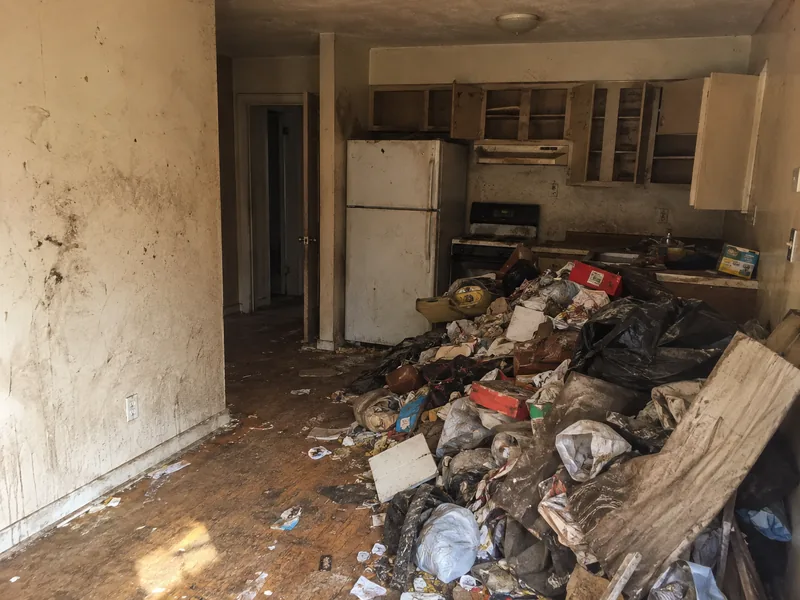
Turn work is a sequence of small scopes where the order matters more than any single task. Floors last, always.

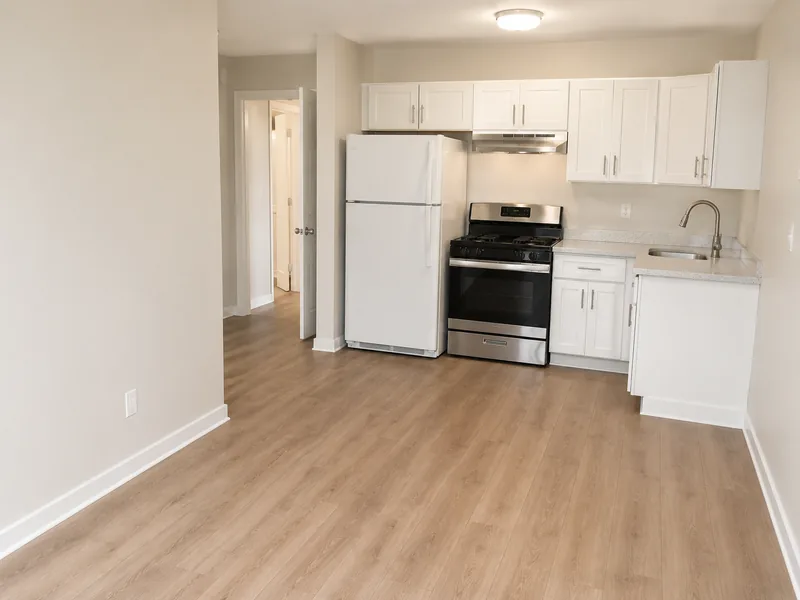
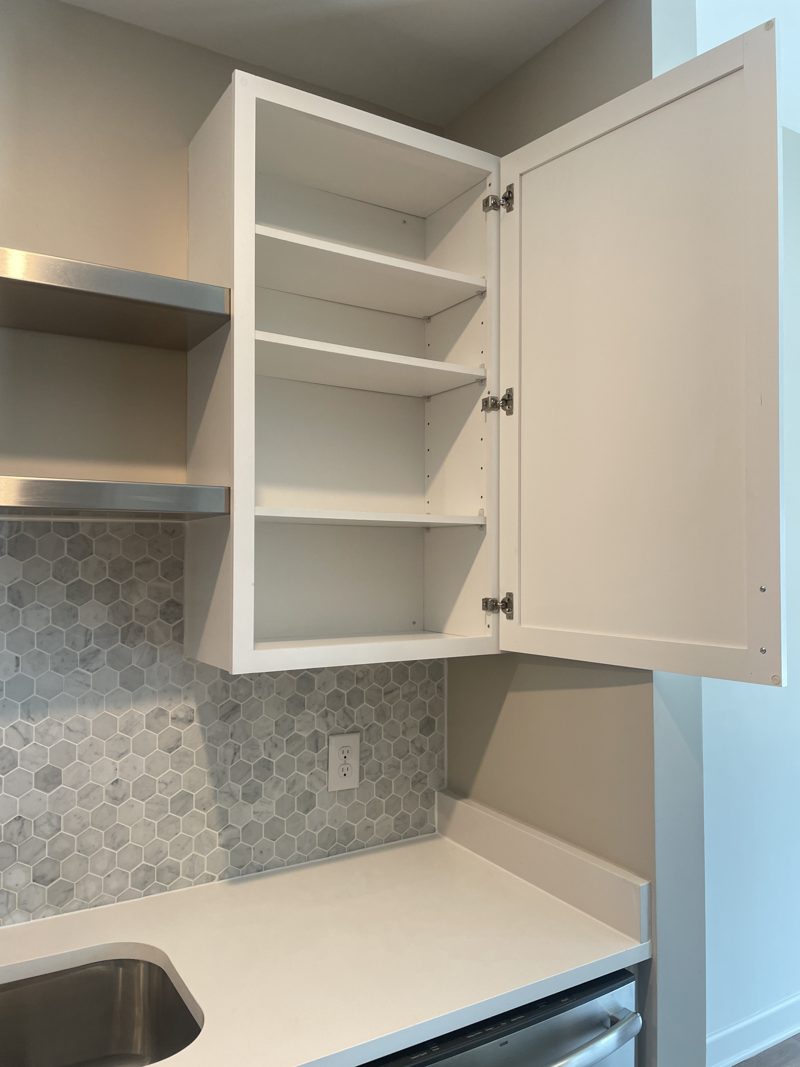
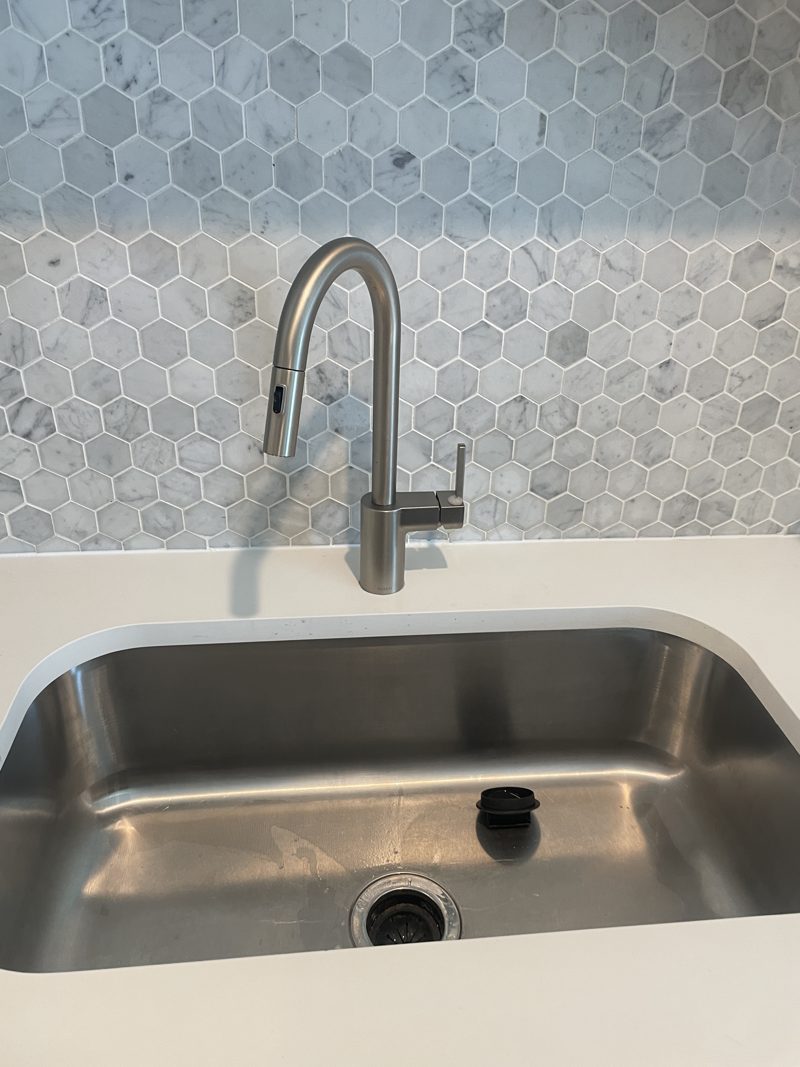
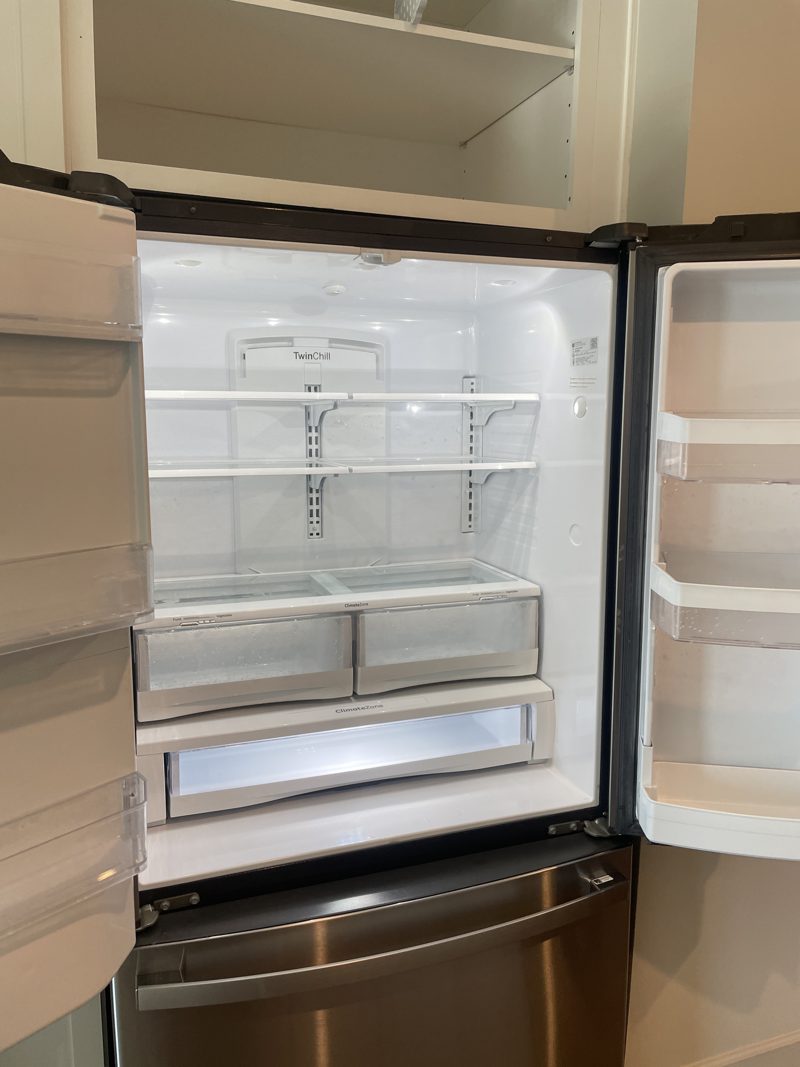
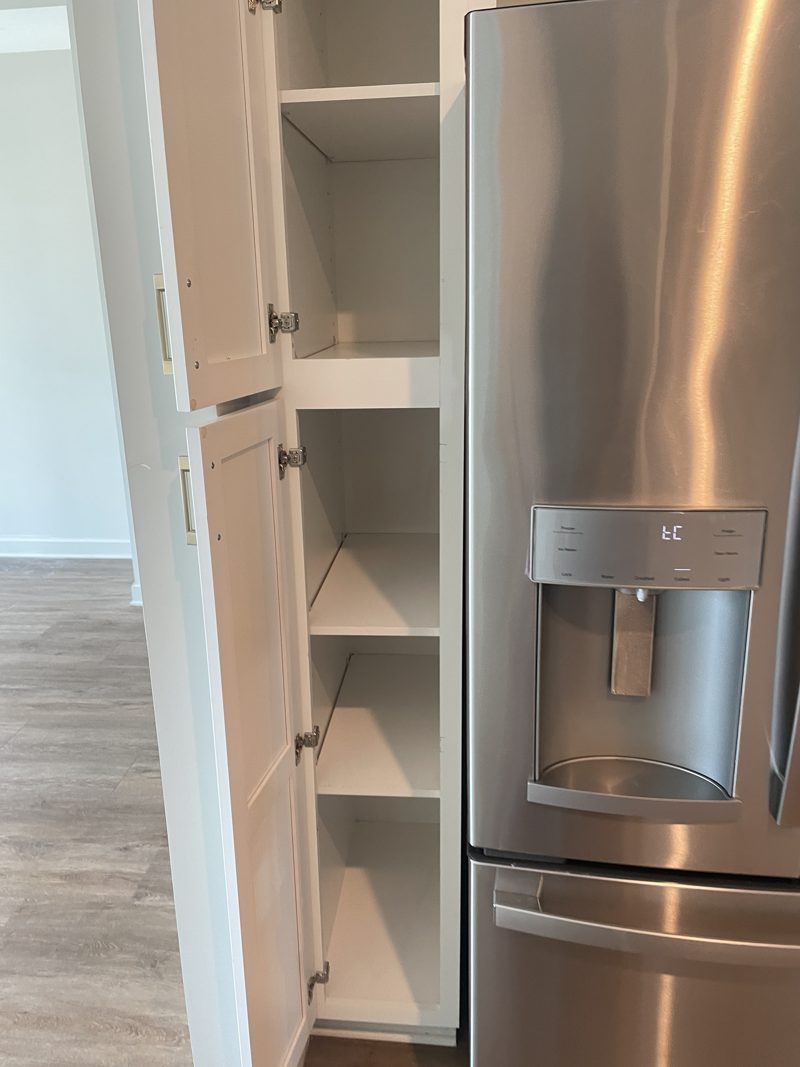
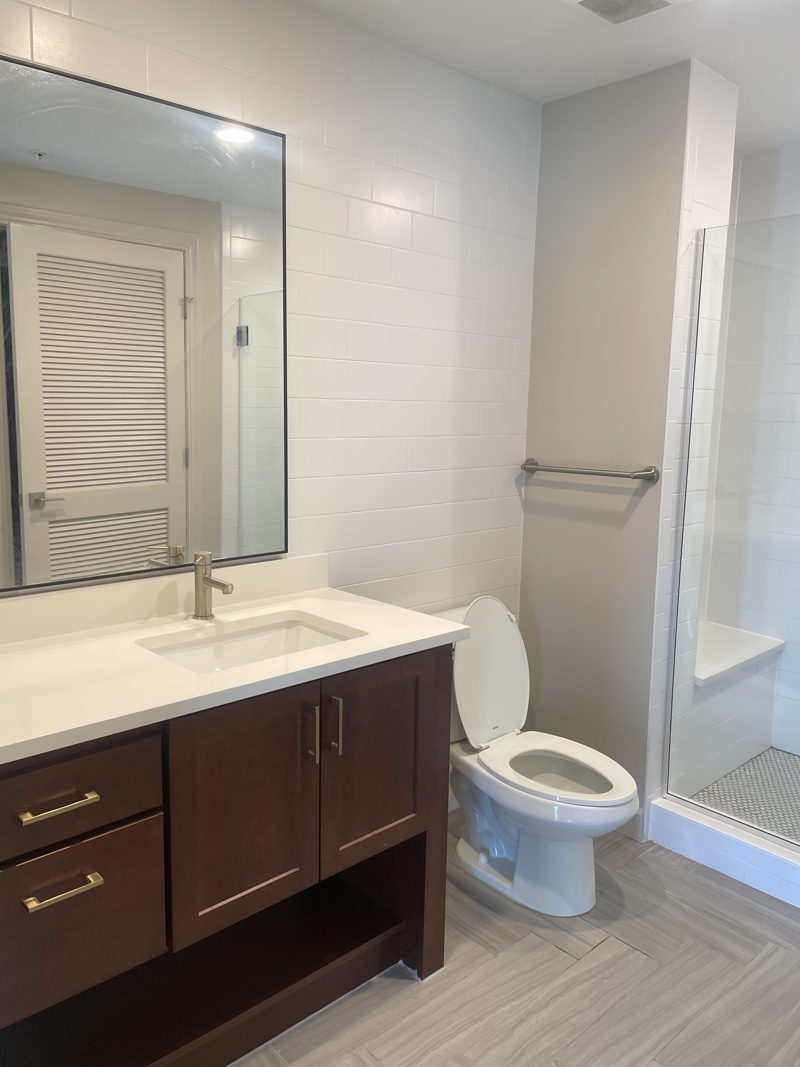
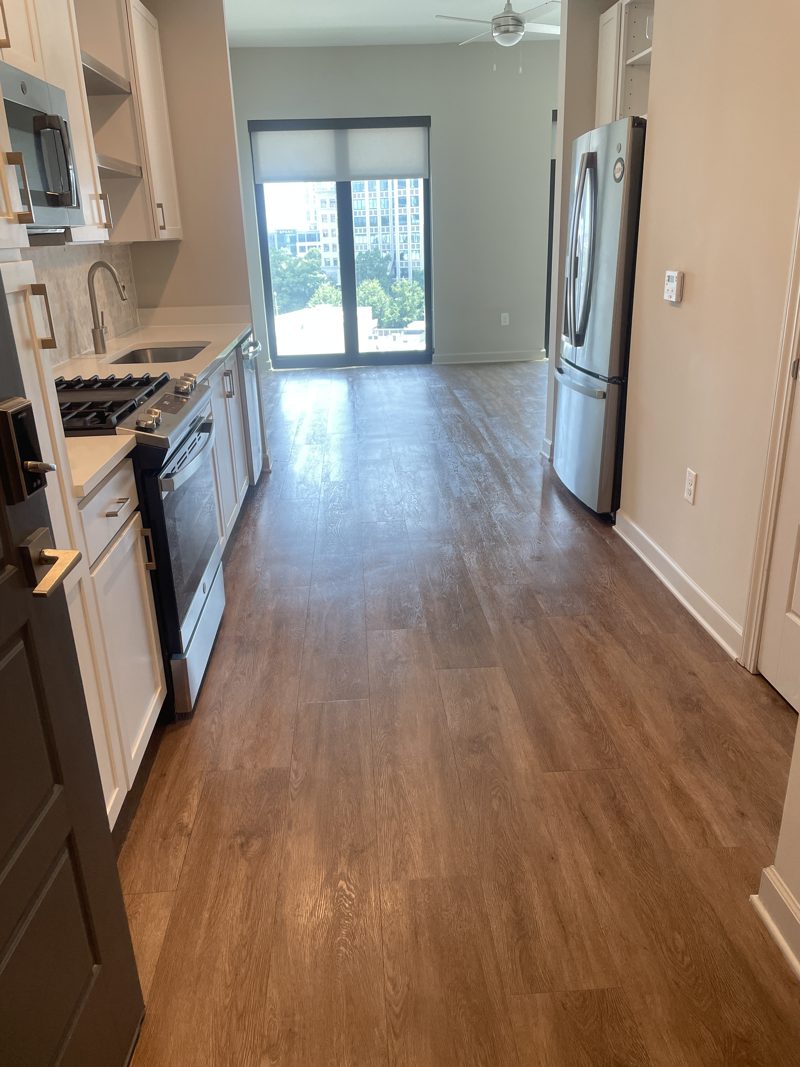
Make ready interior on a multifamily unit turnMake ready interior on a multifamily unit turnMake ready interior on a multifamily unit turnMake ready interior on a multifamily unit turnMake ready interior on a multifamily unit turnMake ready interior on a multifamily unit turn

Cabinetry, fixtures, appliances and finished floors on a make ready.

The economics

Ten units, two ways.

Identical trades in both rows. Only the overhead and the schedule change.

Why a turn program beats a turn

The work in a unit turn is not difficult. Buying it ten separate times is what costs money, and it is the part a program removes.

UNIT BY UNIT12345678910Ten mobilizations. Ten scheduling calls. Ten quality arguments.RUN AS A PROGRAMbatch 1batch 2batch 3Three batches. One schedule, one standard, one acceptance process.The trades are identical in both rows. Only the overhead changes.
Bought unit by unitRun as a batched program

About this page

Who stands behind this.

Page maintained by Thrare Contracting, a trading name of Rare Earth Ltd, 8735 Dunwoody Pl, Ste R (#6), Atlanta, GA 30350. DBE and ACDBE certified through the Georgia Unified Certification Program and MBE certified. HUBZone and 8(a) are not held and are not represented as held. Insurance, certification numbers and what is and is not carried are set out in full on credentials and compliance.

UpstreamManaged capital projectsRelatedCommercial property programsEvidencePast performanceCoverageWhere we work in metro Atlanta

Request a project fit review.

Tell us the property, the scopes, the timing, and the role you need us in. If it fits, we walk the property and come back with a written scope, a schedule and a number, at no cost to you for the walk. If it does not fit, we will tell you that instead of quoting it.

PDF, Word, Excel, image or ZIP, up to 8 MB. Submitted documents are used only to scope your project. They pass through our website form processor in transit and are not published or sold. If the upload fails, send the file to [email protected] with your company name.

We aim to reply to every submission within one business day, from a person. Prefer to talk first? Call 678-748-3578.