The work
What a program keeps looking like.
Walkways, entries, service areas and elevations on a multi tenant commercial property.
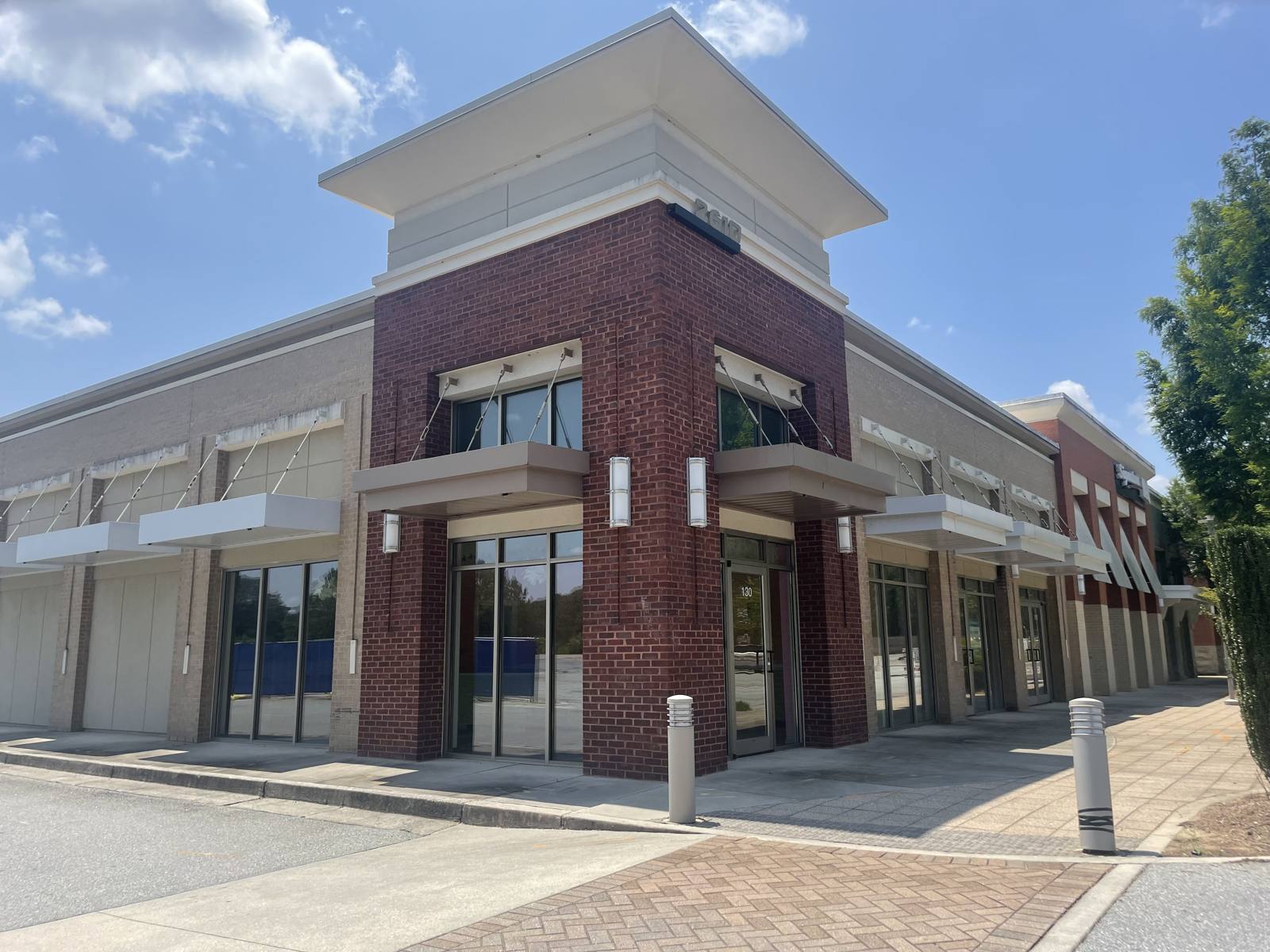
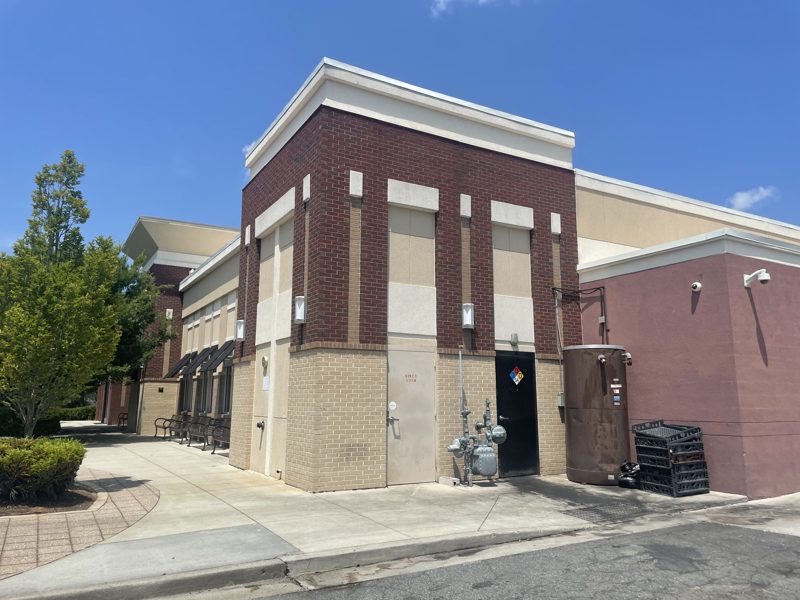
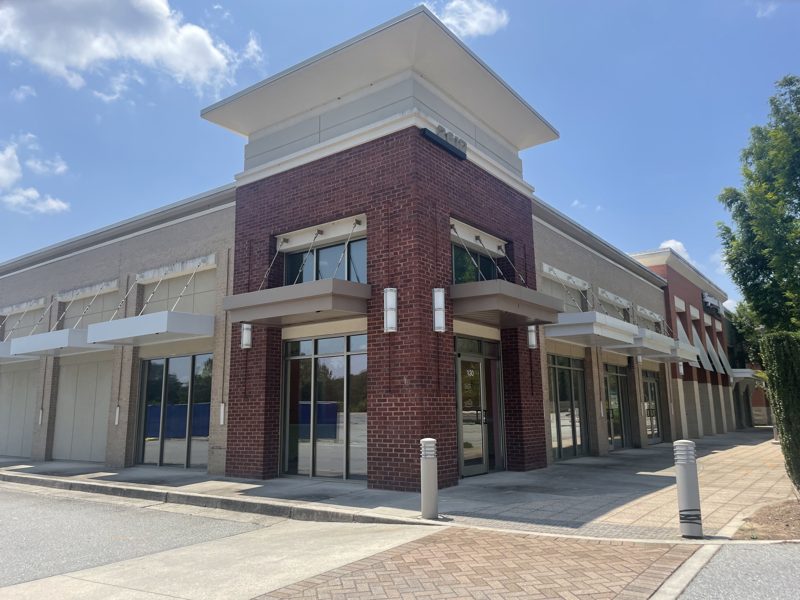
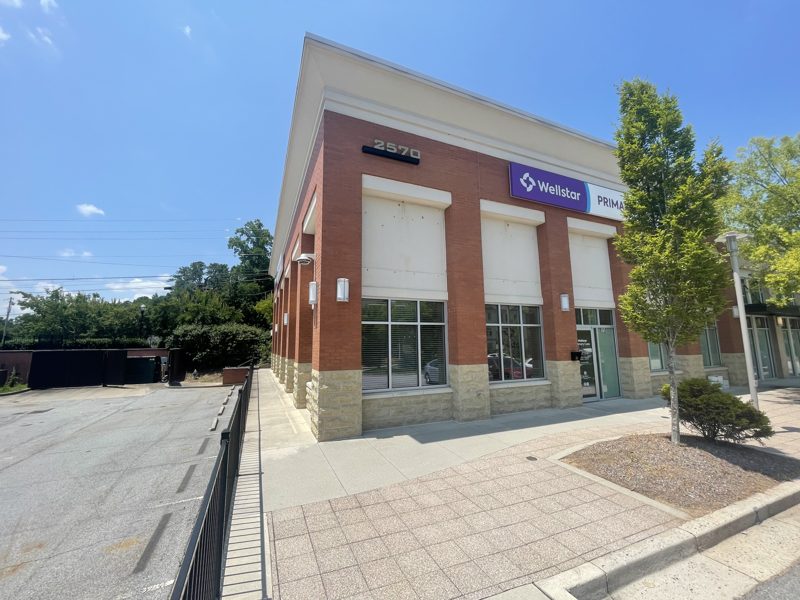
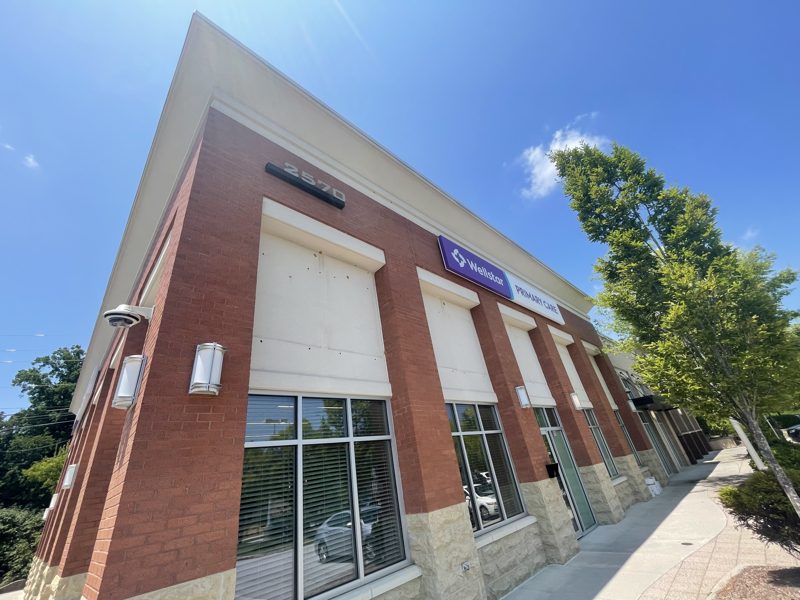
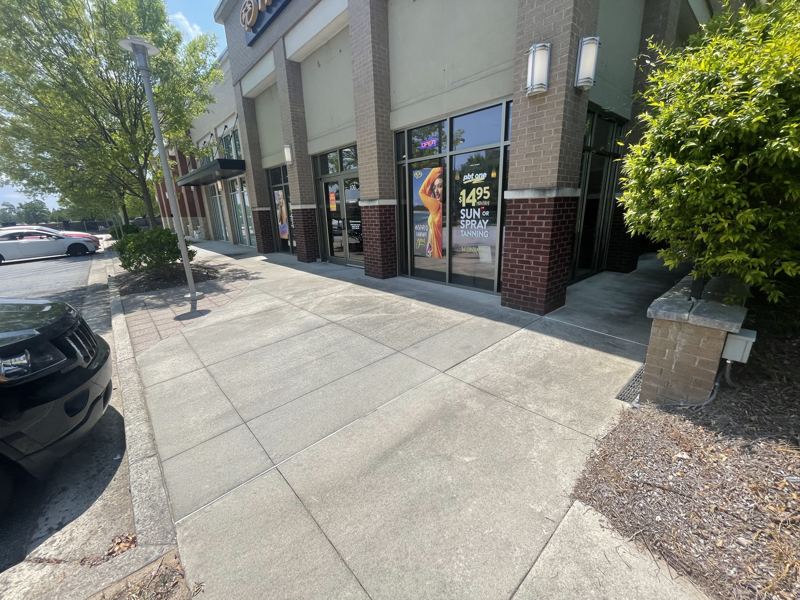
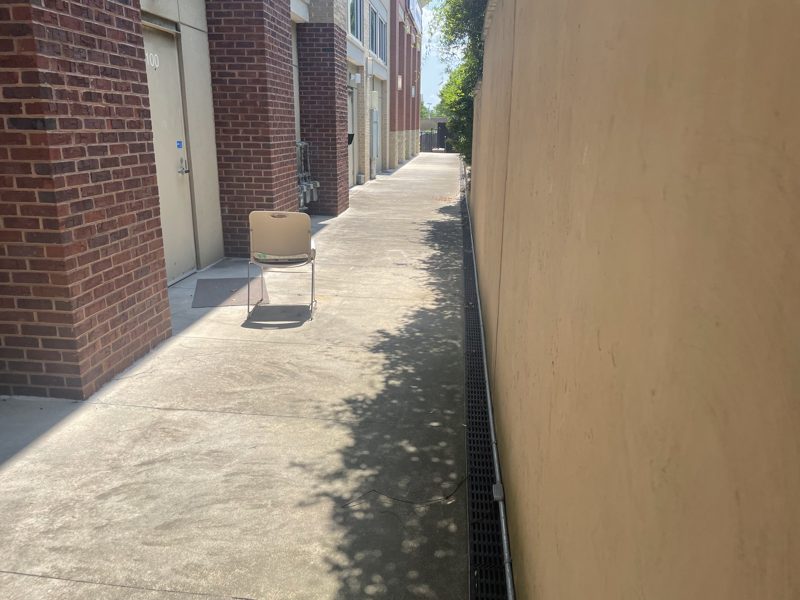
Elevations, entries and walkways across the same property.
Thrare › Commercial property programs
Bought job by job, this work is a series of small invoices and small arguments. Bought as a program, it is a schedule you stop thinking about.
A commercial property program is a single recurring contract covering facility, grounds, exterior cleaning and debris scopes on an agreed schedule, replacing the work orders a property would otherwise raise separately. Thrare Contracting runs property programs across metro Atlanta for single sites, route bundles and full portfolios, with one named manager, one reporting format and one invoice format that matches the schedule. The saving is not a discount, it is the removal of repeated procurement and repeated mobilization.
Scope
The exact mix is set by the property. What does not change is that one manager owns the schedule and the acceptance standard across all of it.
Repairs, replacement and new flatwork, self-performed. This is our critical path scope and usually the one that sets the schedule.
Grounds control, exterior upkeep and the recurring work that keeps a site presentable between capital cycles.
$50,000, MCS Chainstore Maintenance
Self-performed debris removal, trash-outs and roll-off coordination on a set cycle or on call.
Building, breezeway, sidewalk and deck cleaning scheduled rather than requested, with wash water controlled at the point of work. Under 40 CFR 122.26(b)(2) an illicit discharge is any discharge to a municipal separate storm sewer that is not composed entirely of storm water, apart from discharges made under an NPDES permit and discharges from fire fighting, which is why cleaning wash water is contained rather than allowed to reach a grate (read 2026-09-06).
The difference
Most property spending is reactive. Something looks bad, somebody notices, a vendor is called, a price is accepted because the alternative is looking bad for another week.
The cost line behind that is documented. According to the National Apartment Association's 2022 Income/Expense IQ, produced with the Institute of Real Estate Management and the Building Owners and Managers Association across roughly 4,500 apartment properties and more than one million units in over 100 markets, total repairs and maintenance ran a median of $950 per unit per year and rose 13.7 percent year over year, and Atlanta posted the fifth steepest operating expense growth of the top metros at 11.0 percent (read 2026-09-06). Reactive buying is what turns that line into a number nobody forecast.
That cycle is expensive in a way that never appears on any single invoice. You pay a mobilization every time, because a crew coming out for one scope carries the same setup cost as a crew coming out for four. You pay the reactive premium, because a vendor called on Tuesday for Thursday prices the urgency. And you pay in condition, because work that happens when somebody complains is always work that happened later than it should have.
A program inverts the order. The schedule is set in advance, the scopes are bundled into the same visit, and the price is agreed once for the year rather than negotiated a dozen times under pressure. The saving is not a discount. It is the removal of repeated procurement.
The second thing a program buys is a standard that holds when nobody is watching. A property inspected on a fixed cycle does not drift, because drift is caught on the next visit instead of at the next complaint. That is the part owners tend to value only after they have run both ways.
On assisted property the standard is already written down. HUD's national standards for the condition of HUD housing at 24 CFR 5.703(c) treat the outside area as fencing, retaining walls, grounds, lighting, mailboxes, project signs, parking lots, driveways, refuse disposal, roads, storm drainage, walkways, roofs and walls, and require a guardrail wherever an elevated walking surface has a drop off of 30 inches or greater measured vertically (read 2026-09-06). That list is close to a program scope already, which is why a program written to it survives an inspection rather than preparing for one.
Across sites
A portfolio is where this model earns its keep, and it is also where most vendors quietly stop scaling.
Running eight properties is not running one property eight times. The schedule has to account for travel between sites, for the fact that they are not all in the same condition, and for the reality that one of them will always be the difficult one. Vendors who price a portfolio as a multiple of a single site discover this in month three, and the property that suffers is whichever one is furthest from their yard.
We build a portfolio program around routes and cycles rather than around a per property quote. Sites that sit near each other share a visit day. Sites in worse condition start on a tighter cycle and step down as they stabilize rather than all starting at the same interval because that was easier to write. One manager holds the whole portfolio, so a standard set at your best property is the standard applied at the others.
| Single site | One property, fixed visit schedule, one scope bundle. The simplest version and the easiest to audit. |
|---|---|
| Route bundle | Several properties near each other on a shared visit day. The travel efficiency is real and it shows in the number. |
| Portfolio program | The full set under one schedule, one manager and one reporting format, with cycles set per property rather than averaged across them. |
| Seasonal overlay | Storm response, leaf season and pre inspection pushes scheduled on top of the base cycle rather than treated as emergencies when they arrive. |
Evidence
A program you cannot audit is a subscription. The reporting is the part that makes it a program.
Ask any vendor for their last six months of visit records on a property they already service. The answer to that question tells you more than the quote does.
Straight answers
Either, though the economics favor a program. A cycle lets us schedule crews and material efficiently and gives you a predictable cost line.
Yes. Bundling across sites is where this service earns its place, because the coordination cost is spread and the standard stays identical.
Completion evidence per visit, and a closeout file per project collecting acceptance evidence, photographs and invoice support.
Against the agreed schedule and scope bundle for the year, rather than per call out. Route bundles and portfolios price better than single sites because the travel and mobilization are shared, and that difference is shown to you rather than kept as margin. Work outside the program is quoted separately before it is performed.
That is the normal way in and we prefer it. Take one property, ideally not your easiest one, and run it for a cycle or two. If the reporting and the consistency are what you were promised, the portfolio conversation is a short one. If they are not, you have lost one property rather than eight.
Yes, on the notice period written into the agreement. We do not use long lock ins, because a program that only holds because of a contract is a program that stopped being worth buying. If the standard slips, the correct response is that you can leave.
Both, depending on the scope. Exterior cleaning, debris and grounds work we largely self perform. Specialist trades are performed by qualified firms under our management, with their licensing, insurance and references on file before they are assigned. You hold one contract either way, and the responsibility for the result does not move.
One named manager, not a dispatch queue. That is the practical difference a program buys on a bad day, and it is the reason we cap how many properties one manager holds.
Storm response and seasonal pushes are scheduled into the program as an overlay where a property needs them. Genuine emergency work outside that is quoted when it happens, but a property already on a program gets answered first, because we already know the site and already have the access.
Concrete and flatwork, facility and grounds, debris and hauling, and exterior cleaning cycles, bundled into an agreed visit schedule for the year. Specialist trades are performed by qualified firms under our management with licensing, insurance and references on file before assignment. You hold one contract regardless of which scopes are self performed.
Usually, and the reason is structural rather than a discount. A crew mobilising for one scope carries the same setup cost as a crew mobilising for four, so bundling removes repeated mobilizations. Reactive work also carries an urgency premium that scheduled work does not. Route bundles and portfolios price better again because travel is shared, and that difference is shown to you rather than kept.
Yes, and a portfolio is where the model earns its keep. Sites near each other share a visit day, properties in worse condition start on a tighter cycle and step down as they stabilize, and one named manager holds the portfolio so a standard set at your best site applies at the others. Vendors who price a portfolio as a multiple of a single site discover the problem in month three.
A dated visit record naming the scopes performed and who attended, before and after photographs filed against the visit, exceptions raised when found rather than buried, an invoice format that matches the agreed schedule, and a scheduled review that adjusts cycles. A program you cannot audit is a subscription.
The work
Walkways, entries, service areas and elevations on a multi tenant commercial property.
Elevations, entries and walkways across the same property.
The cycle
Different scopes run on different clocks. That is why buying them separately drifts.
A program is not one big visit. It is a set of scopes on different clocks, which is why buying them separately costs more and drifts faster.
About this page
Page maintained by Thrare Contracting, a trading name of Rare Earth Ltd, 8735 Dunwoody Pl, Ste R, Atlanta, GA 30350. DBE and ACDBE certified through the Georgia Unified Certification Program and MBE certified. HUBZone and 8(a) are not held and are not represented as held. Insurance, certification numbers and what is and is not carried are set out in full on credentials and compliance.
Tell us the property, the scopes, the timing, and the role you need us in. If it fits, we walk the property and come back with a written scope, a schedule and a number, at no cost to you for the walk. If it does not fit, we will tell you that instead of quoting it.
We aim to reply to every submission within one business day, from a person. Prefer to talk first? Call 678-748-3578.